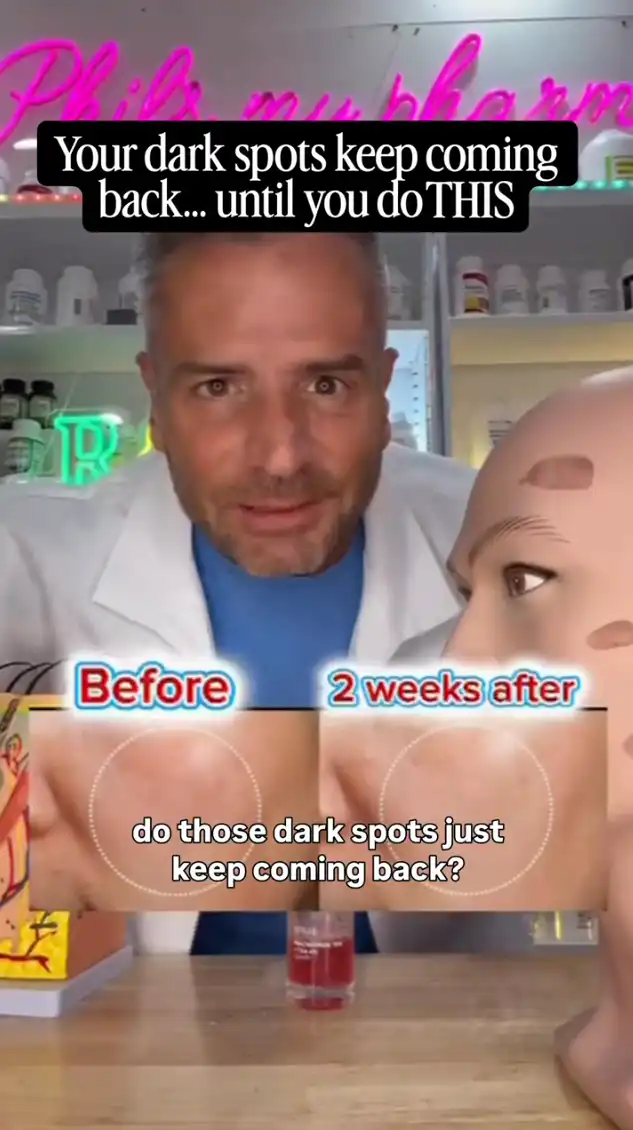
You finally fade a dark spot… and then a few weeks later, it’s back in the exact same place. Frustrating, but not random.
Here’s what’s really happening.
When your skin goes through stress—sunburn, acne, heat, or hormonal changes—it tries to protect itself. One of the ways it does that is by producing pigment. That pigment is created by specialized cells called melanocytes.
At first, that pigment serves a purpose: protection. But once the inflammation or sun exposure is gone, your skin doesn’t just erase those melanocytes. They stay behind, sitting quietly under the surface, ready to react the second your skin is triggered again.
So the next time you get:
- A little sun exposure
- A hormonal shift
- Even mild inflammation
Those same melanocytes fire back up instantly—and your dark spot returns.
Why Most Treatments Don’t Last
A lot of products focus on just fading the pigment you see. But they don’t address the process that created it. That’s why results are temporary.
If you want dark spots gone for good, you have to interrupt the cycle in three different places.
The 3-Step Strategy to Stop Dark Spots at the Source
1. Stop the Signal
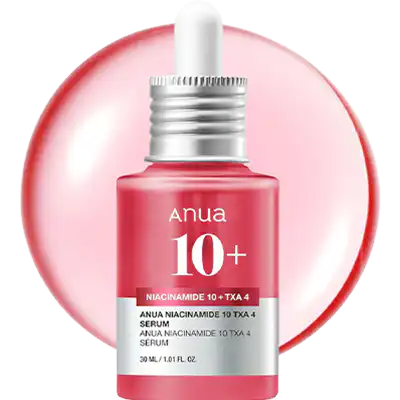
Tranexamic acid helps block the signaling pathway that tells your skin to produce excess pigment in the first place. No signal = less hyperpigmentation triggered.
2. Stop the Production
Arbutin works directly on melanin formation, slowing down the creation of new pigment before it even shows up.
3. Stop the Transfer
Niacinamide prevents pigment from moving to the surface of the skin, which is what actually makes dark spots visible.
Why This Works
Instead of chasing dark spots after they appear, this approach:
- Stops the trigger
- Slows the creation
- Blocks the spread
That’s how you break the cycle—not just fade spots, but prevent them from coming back.