SSRIs can be incredibly helpful for improving mood, managing anxiety, and supporting mental health. But for some people, there’s a downside: the same medication that helps them feel better can also leave them feeling less motivated, less interested in intimacy, or emotionally numb.
So what if there were a way to support those other aspects of brain chemistry while continuing your prescribed medication?
One ingredient getting attention is saffron.
And it’s not just a cooking spice. Saffron contains naturally occurring compounds that researchers are studying for their effects on neurotransmitters involved in mood, motivation, and sexual function.
The Problem With SSRIs
Selective serotonin reuptake inhibitors (SSRIs) work by increasing the availability of serotonin in the brain. Serotonin plays an important role in regulating mood, anxiety, and emotional well-being.
But increasing serotonin activity can come with unwanted side effects for some people, including:
- Reduced libido
- Difficulty with sexual arousal
- Emotional blunting or feeling numb
- Reduced motivation
- Changes in sexual satisfaction
The goal isn’t to stop taking something that’s helping you. It’s to find ways to address the side effects that may be affecting your quality of life.
Why Saffron Is So Interesting
Saffron contains several active compounds, including crocin, crocetin, and safranal.
Researchers are particularly interested in how these compounds may influence neurotransmitter pathways involving serotonin, dopamine, and norepinephrine.
Here’s why those pathways matter:
Dopamine: The Motivation Connection
Dopamine plays an important role in motivation, reward, pleasure, and sexual function. It’s part of what makes you feel excited about things, pursue goals, and enjoy everyday experiences.
Norepinephrine: The Get-Up-and-Go Connection
Norepinephrine helps regulate alertness, attention, and energy. It plays an important role in helping you feel engaged and ready to take on the day.
Saffron is being studied for its potential to influence these neurotransmitter systems, making it an interesting ingredient for people looking for additional mood and wellness support.
Can Saffron Help With SSRI Side Effects?
This is where things get particularly interesting.
Researchers have actually studied saffron as an addition to fluoxetine (Prozac) in people experiencing antidepressant-related sexual side effects.
In one small clinical trial involving women taking fluoxetine, saffron supplementation was associated with improvements in overall sexual function, including arousal and lubrication.
Another small study in men taking fluoxetine found improvements in erectile function and intercourse satisfaction.
These findings suggest that saffron may have potential as a complementary ingredient for certain SSRI-related side effects, although larger studies are needed before it can be considered an established treatment.
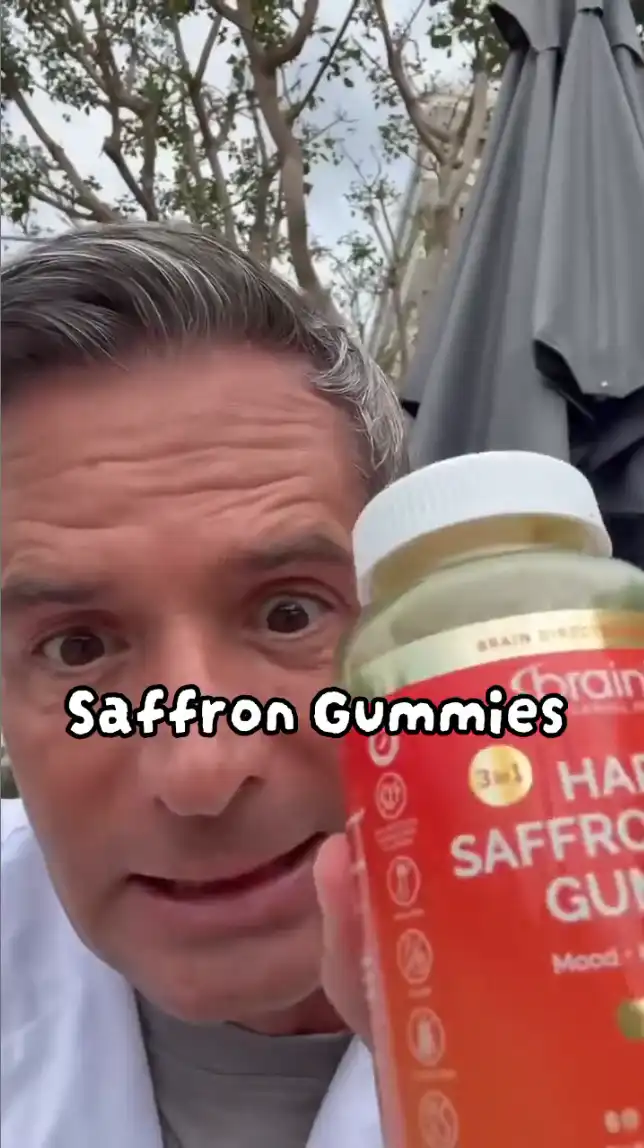
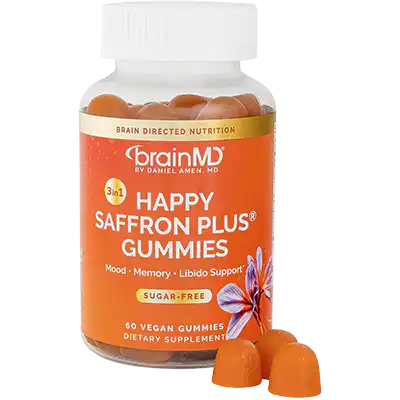
Meet BrainMD Happy Saffron Plus Gummies
If you’re interested in saffron supplementation, BrainMD Happy Saffron Plus Gummies offer a convenient way to incorporate this botanical ingredient into your wellness routine.
Saffron is an exciting area of research because it may support several pathways involved in emotional well-being, motivation, and sexual health.
It’s especially interesting for people who are happy with their current antidepressant but want to explore additional support for some of the side effects.
One important reminder: saffron can have its own effects on neurotransmitter activity, so combining it with an SSRI should always be discussed with your prescribing healthcare professional or pharmacist first. Don’t adjust or discontinue your prescribed medication on your own.
Keep Supporting Your Mental Wellness
Finding the right antidepressant can take time, and feeling better should mean more than simply having fewer anxious or depressive symptoms.
Motivation, enjoyment, intimacy, and feeling emotionally connected are important parts of overall well-being, too.
Saffron offers an interesting area of research and may eventually have a larger role in complementary mental wellness support.