

Depression is a multifaceted and challenging condition, that often leaves those who grapple with it feeling helpless. However, a recent study has shown a nutritional combination that helps take a step in a positive direction for those who suffer from depression
The Conversion Conundrum:
An eye-opening study revealed that a staggering 70% of individuals with depression struggle to convert folic acid into its active form, L-methyl folate. This crucial conversion disruption creates a deficiency in serotonin and melatonin, two neurotransmitters vital for mood regulation and sleep-wake cycles.
L-Methylfolate’s Transformative Impact:
The addition of L-methylfolate to the diet has proven to be a game-changer, showcasing a remarkable decrease in depression symptoms, with up to a 25% improvement observed. This breakthrough opens up a new avenue for nutritional interventions in the realm of mental health. Beyond symptom relief, incorporating L-methyl folate into the diet provides essential support for important processes such as serotonin and melatonin production, as well as DNA repair.
Empowering Nutritional Interventions:
By addressing the underlying nutritional deficiencies, the revelation of L-methyl folate’s positive impact on depression invites individuals to explore nutritional interventions as an approach to mental health care.
Accessing L-Methyl folate:
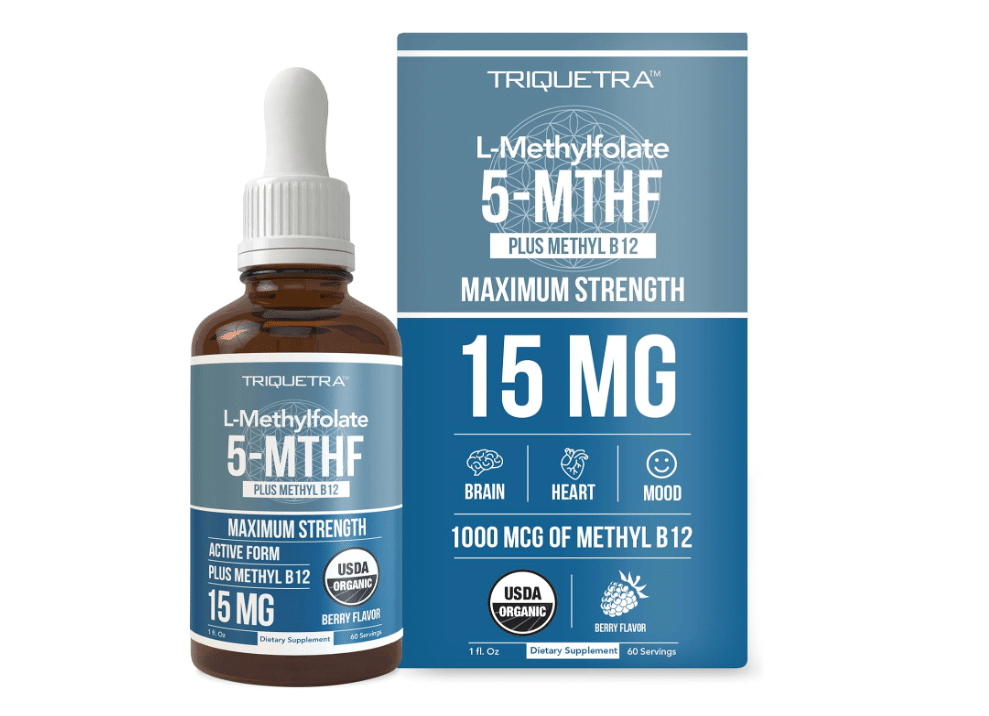
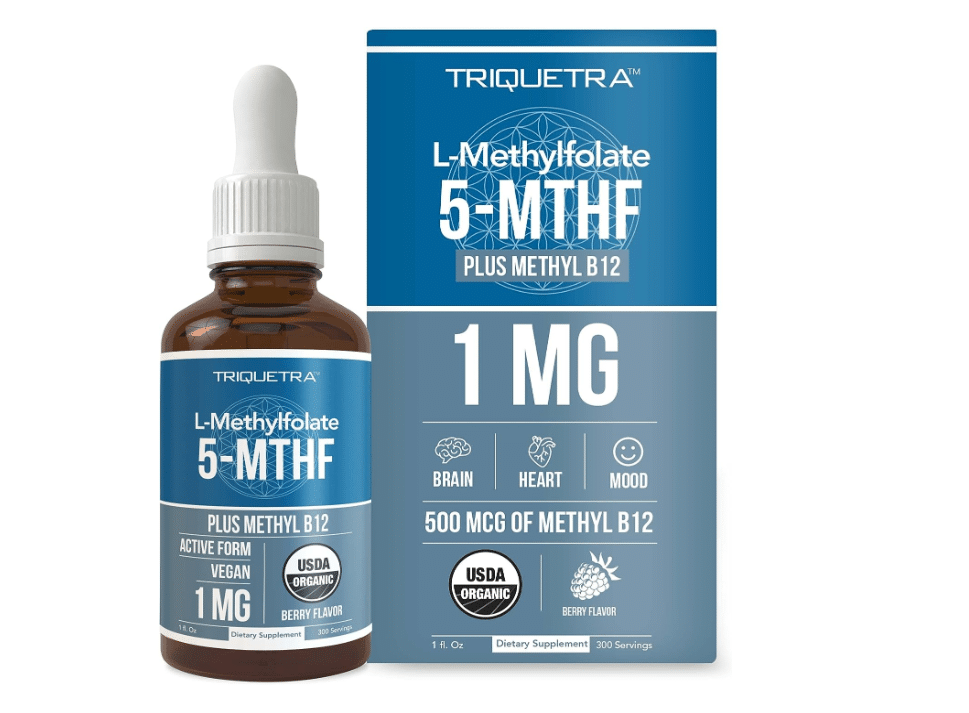
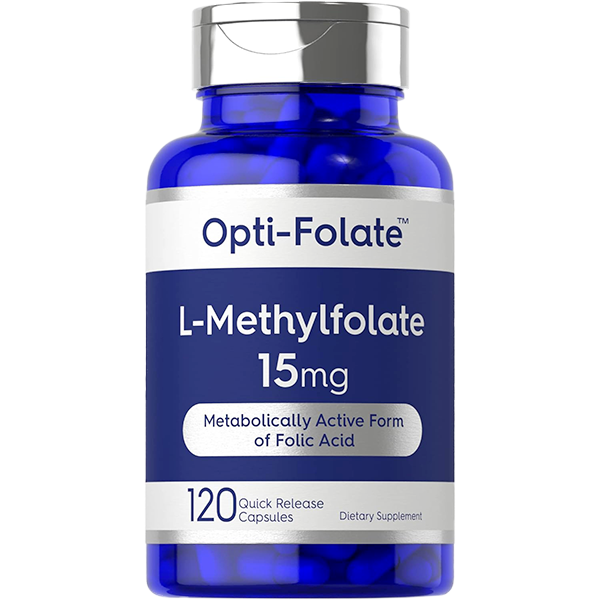
For those interested in incorporating L-methyl folate into their routine, a variety of options are available. You can find reliable sources of L-methyl folate here.
Depression demands a multifaceted approach to care. The impact of L-methyl folate presents a new and hopeful chapter in the journey toward mental wellness. By embracing nutritional interventions and addressing underlying deficiencies, individuals can take meaningful steps towards alleviating depression and fostering a more balanced and resilient state of mind. Remember, consulting with healthcare professionals is crucial to ensure that any nutritional interventions align with your unique health profile.