



Do you suffer from excessively sweaty feet? This common but often embarrassing issue could be more than just a minor inconvenience—it might be a sign that your thyroid is overactive. In this blog post, we’ll explore the connection between hyperthyroidism and sweaty feet and discuss some effective ways to manage this condition.
I love Mary Ruth’s products. Use code MROPHILP for 20% off their products on Amazon or their website!
The Thyroid Connection
Your thyroid gland plays a crucial role in regulating your body’s metabolism, energy levels, and overall metabolic rate. When your thyroid is overactive—a condition known as hyperthyroidism—it can cause your body to go into overdrive, leading to various symptoms, including excessively sweaty feet.
Understanding Hyperthyroidism
Hyperthyroidism occurs when the thyroid gland produces too much of the hormone thyroxine. This excess hormone accelerates your body’s metabolism, which can lead to a range of symptoms such as:
- Increased heart rate
- Unexplained weight loss
- Anxiety and irritability
- Sweaty and clammy skin
One of the less discussed but equally troublesome symptoms is hyperhidrosis, or excessive sweating, which often affects the feet.
Managing Hyperthyroidism and Sweaty Feet
If you suspect that hyperthyroidism is the cause of your sweaty feet, it’s essential to consult a healthcare professional for a proper diagnosis and treatment plan. In addition to medical treatment, there are specific supplements and lifestyle changes that can help manage the symptoms.
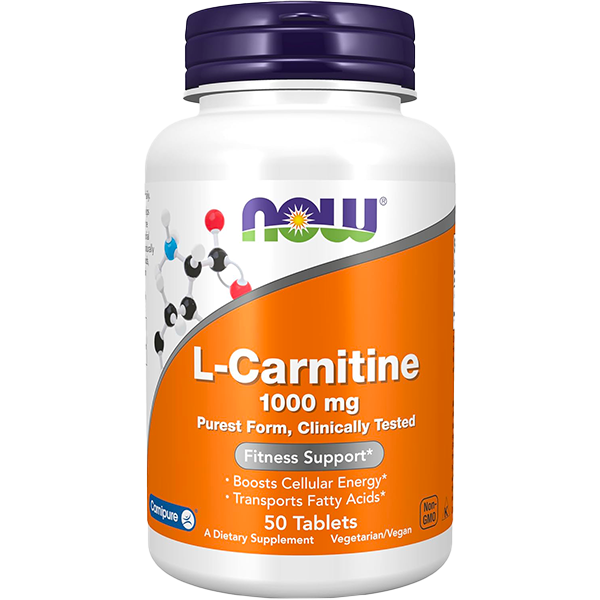
- L-Carnitine:
- Why: L-Carnitine is an amino acid derivative that has been shown to help manage symptoms of hyperthyroidism by inhibiting thyroid hormone activity.
- How: Incorporate L-Carnitine supplements into your daily routine. It’s essential to follow the recommended dosage and consult your doctor before starting any new supplement.
- Zinc:
- Why: Zinc plays a vital role in thyroid function and can help regulate hormone levels.
- How: Ensure you are getting enough zinc through your diet or supplements. Foods rich in zinc include nuts, seeds, and legumes.
- Vitamin B12:
- Why: Vitamin B12 is crucial for overall energy metabolism and can help manage some of the systemic symptoms of hyperthyroidism.
- How: Incorporate B12-rich foods like meat, fish, and dairy into your diet or consider a B12 supplement if needed.
Excessively sweaty feet can be a sign of an overactive thyroid, but with the right approach, you can manage this condition effectively. By incorporating supplements like L-Carnitine, zinc, and vitamin B12, and adopting practical foot care habits, you can keep your feet dry and comfortable. If you suspect hyperthyroidism, be sure to consult with a healthcare professional for a comprehensive treatment plan. Say goodbye to sweaty feet and hello to better thyroid health!