
The Truth About Tylenol and Ibuprofen: Why Dose Timing Matters

Did you know Tylenol and ibuprofen work better at higher doses with longer breaks in between? Learn how to time your pain relievers for stronger relief with fewer side effects.

When it comes to pain relief, most of us reach for Tylenol or ibuprofen without thinking too much about how we take it. But there’s a smart (and safer) way to get better results with fewer side effects—and it’s all about dose and timing.

Tylenol: Low vs. High Dose

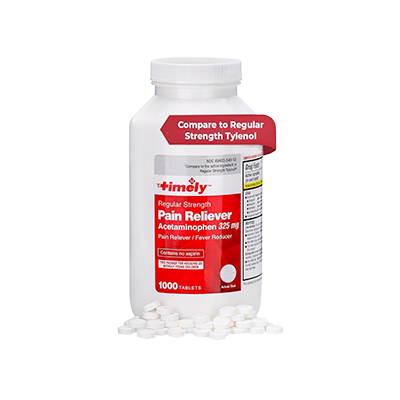
Tylenol (acetaminophen) at low doses—like the typical 325 mg—primarily blocks the perception of pain. It works on your brain’s processing of discomfort, not the root cause. But at higher doses, around 1,000 mg, something else happens:
It begins to activate your body’s endogenous cannabinoid system, which can help reduce inflammation, not just the feeling of pain.

However, there’s a big caveat.
Tylenol is processed by your liver, so taking it too often can cause real damage. That’s why the smarter approach is:

  • 1,000 mg every 10–12 hours, rather than
  • 325 mg every 4 hours

This gives your body the full anti-inflammatory benefit while allowing your liver time to recover.

Ibuprofen: Not All Doses Are Equal

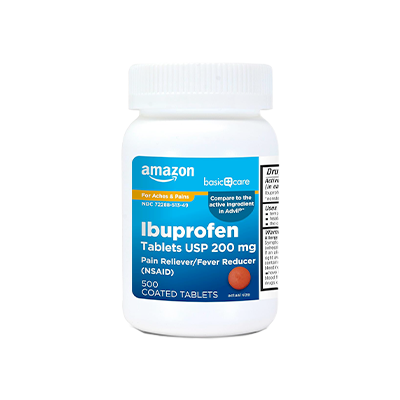
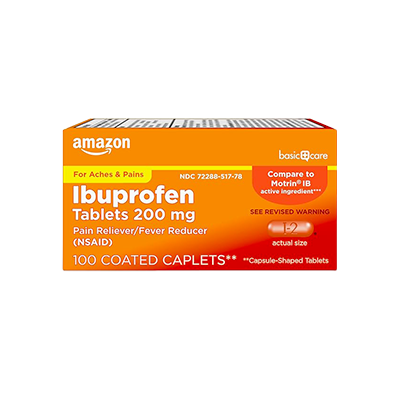
Ibuprofen is great for inflammation—but only at the right dose. Over-the-counter bottles usually give you 200 mg tablets and suggest taking 400 mg every 4 to 6 hours. That’s fine for mild pain, but not ideal for true inflammation control.

Here’s how it breaks down:

  • 600 mg = maximum pain relief
  • 800 mg = maximum inflammation control

But again, there’s a tradeoff. High doses of ibuprofen can damage your stomach lining if taken too frequently. The trick?

  • Take 800 mg every 12 to 24 hours, not multiple times per day
  • This gives your body time to reduce the potential for GI damage

The Takeaway

With both Tylenol and ibuprofen, the key is less frequent, higher doses—not small, constant dosing. This approach improves effectiveness and lowers your risk of long-term side effects.

So next time you reach for a pain reliever, think big—but think smart.

The Truth About Tylenol and Ibuprofen: Why Dose Timing Matters

Did you know Tylenol and ibuprofen work better at higher doses with longer breaks in between? Learn how to time your pain relievers for stronger relief with fewer side effects.

More Post Like This

Sensitive teeth usually mean one thing—tiny cracks from demineralization. Most toothpastes only mask the pain, but nano hydroxyapatite from No BS actually fills those cracks and rebuilds the enamel. It’s the best way to truly...
Most moisturizers made for acne prone skin are so focused on being “lightweight” that they barely hydrate at all, leaving your skin tight, flaky, and somehow even oilier by midday. ROUND LAB Birch Juice Moisturizing...
Most daytime cold medicines like DayQuil are basically just Tylenol with added ingredients that don’t actually help congestion or cough. Instead, use Excedrin during the day — it has Tylenol, aspirin for inflammation support, and...
Feeling overstimulated, unfocused, or “wired but tired” can come from high glutamate levels in the brain. L-Theanine, an amino acid found in green tea, mimics glutamate and blocks that excess stimulation — helping dopamine and...

Unlock Exclusive
Health Insights and Giggles

Subscribe To My Email List Today!

Phil's My Pharmacist - By providing your phone number and checking the box, you agree to receive promotional and marketing messages, notifications, and customer service communications from Phil's My Pharmacist. Message and data rates may apply. Consent is not a condition of purchase. Message frequency varies. Text HELP for help. Text STOP to cancel.See terms.